
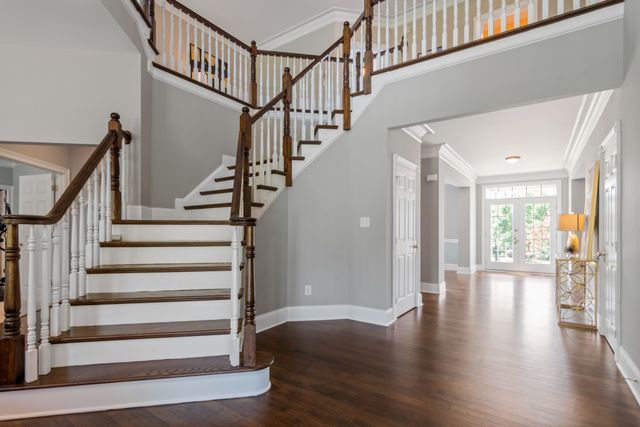
A home is rarely silent. From the occasional creak in the floor to the hum of mechanical systems, houses naturally produce a variety of sounds throughout the day and night. While many noises are completely normal, others can signal developing issues that deserve attention. Knowing the difference can help homeowners avoid unnecessary worry—and potentially costly repairs.
The Normal Creaks and Groans
Wood framing expands and contracts as temperatures and humidity levels change. This movement can cause floors, walls, and ceilings to creak or pop, especially during seasonal transitions. These sounds are generally harmless and simply indicate that building materials are responding to environmental conditions.
Similarly, a few occasional noises from staircases, cabinets, or hardwood floors are common in most homes and are usually not a cause for concern.
The Sound of Running Water
Hearing water flow briefly after a faucet is turned off is often normal. Plumbing systems can produce sounds as pressure equalizes within the pipes. However, if water seems to be running when no fixtures are in use, it may indicate a leaking toilet, dripping fixture, or hidden plumbing leak.
Unexplained water sounds should always be investigated, particularly if accompanied by higher-than-normal water bills or signs of moisture.
HVAC Noises: What’s Typical?
Heating and cooling systems generate a range of sounds during operation. Soft humming, gentle airflow, and occasional clicks when equipment starts or stops are expected.
Louder noises, however, can signal trouble. Banging, rattling, squealing, or grinding sounds may indicate loose components, worn belts, motor issues, or airflow restrictions. Ignoring these warning signs can sometimes lead to more expensive repairs down the road.
Electrical Buzzing Shouldn’t Be Ignored
Electrical systems are typically quiet. While some devices naturally emit a faint hum, buzzing sounds from outlets, switches, breaker panels, or light fixtures may indicate loose connections or overloaded circuits.
Electrical issues can pose safety risks and should be evaluated promptly by a qualified professional if unusual buzzing persists.
Knocking Pipes and Water Hammer
A loud banging noise when a faucet or appliance shuts off quickly is often known as “water hammer.” This occurs when moving water suddenly changes direction or stops within the plumbing system.
Although not always an emergency, repeated water hammer can place stress on pipes and fittings over time. Addressing the underlying cause can help protect the plumbing system from future damage.
Scratching, Scurrying, or Chirping
Unusual sounds coming from walls, ceilings, attics, or crawl spaces may indicate unwanted visitors. Rodents, birds, squirrels, and insects can all create distinct noises, particularly during quiet evening hours.
Prompt investigation is recommended, as pests can damage insulation, wiring, and structural components if left unchecked.
Listen Carefully
Every house develops its own unique soundtrack. Most sounds are simply part of normal operation and aging materials. The key is paying attention to changes. New, louder, or recurring noises often provide early clues that maintenance or repairs may be needed.
When something sounds unusual, it is usually worth investigating. A little attention today can often prevent a much larger problem tomorrow.
Recent Comments