
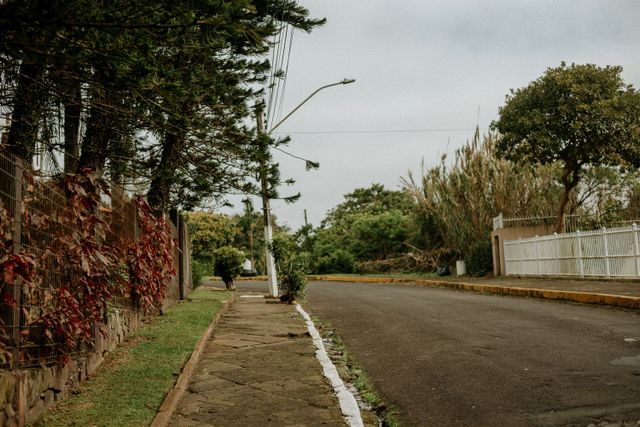
Looking Beyond the Property Line
When people think about a home’s condition, attention usually goes straight to the roof, foundation, furnace, or plumbing. Those are all important, but there’s another part of the equation that often gets overlooked. The systems outside the property line can have just as much influence on a home’s performance as the components inside it.
In many communities, especially established neighborhoods, municipal infrastructure is reaching the end of its intended service life. Water mains, sewer lines, storm drains, sidewalks, and roadways may have been installed decades before today’s maintenance standards or population demands. Even if a home has been carefully updated over the years, the public infrastructure serving it may tell a very different story.
Hidden Problems Beneath the Surface
Older municipal systems don’t always fail dramatically. More often, they show their age through gradual changes that homeowners may barely notice at first.
Aging water mains can experience more frequent breaks, leading to temporary service interruptions or discolored water after repairs. Sewer systems may become overloaded during heavy rainfall, increasing the chance of backups in areas with combined storm and sanitary systems. Roads that have seen repeated patchwork repairs can develop drainage problems that leave standing water near driveways or sidewalks.
These issues aren’t necessarily caused by the home itself, yet they can still affect day-to-day living.
Why It Matters During a Home Purchase
A house can appear to be in excellent condition while the surrounding infrastructure quietly presents future challenges.
Repeated road excavations may indicate ongoing utility repairs. Uneven sidewalks can suggest years of ground movement or aging concrete. Water pooling near curbs after a moderate rain may point to storm drainage concerns rather than a grading problem on the property.
While these observations don’t automatically signal expensive problems ahead, they are useful clues that deserve attention before making a major investment.
Questions Worth Asking
Buyers don’t need to become infrastructure experts, but asking a few practical questions can provide valuable insight.
Consider finding out:
- Has the neighborhood experienced recurring water main breaks?
- Are there any planned sewer or roadway improvement projects?
- Has street flooding been an issue after heavy rain?
- Are sidewalks or curbs scheduled for replacement?
- Will future municipal improvements result in assessments or temporary disruptions?
Local municipalities often make planned public works projects available through council meetings, engineering departments, or public notices.
A Bigger Picture Leads to Better Decisions
A well-maintained home doesn’t exist in isolation. It relies every day on public systems that deliver clean water, carry wastewater away, manage storm runoff, and provide safe access.
Most aging infrastructure can continue serving neighborhoods for many years with proper maintenance and thoughtful upgrades. The key is understanding that the condition of the surrounding community is part of the overall picture. Taking a few extra minutes to observe the streets, sidewalks, drainage, and nearby utilities can offer valuable context that isn’t always obvious during a walkthrough.
A careful look beyond the property line won’t predict every future repair, but it can help buyers make informed decisions with greater confidence. Sometimes the biggest clues about a home’s future aren’t found inside the walls—they’re right outside at the curb.
Recent Comments